Gardening Services in Hanwell

Gardening Services Hanwell provides practical help with keeping outdoor spaces neat, manageable and ready for regular use. Our work centres on routine garden care, seasonal tidy-ups, lawn attention, hedge trimming, garden clearance and related outdoor maintenance that helps a property stay under control throughout the year. For homeowners, landlords and managing agents, the aim is straightforward: maintain a garden that looks cared for and functions properly without unnecessary hassle.
The service can cover recurring maintenance or one-off work, depending on what the garden needs. Some properties need a light touch, such as mowing, edging and cutting back growth, while others benefit from a more involved reset that clears out waste, opens up pathways and restores structure. We focus on the condition of the garden itself, working carefully and sensibly with the space that is already there rather than overstating what any single visit can achieve.
If you are comparing options, it is often helpful to think in terms of the tasks that matter most: lawn care, pruning, reduction of overgrowth, waste removal and ongoing upkeep. A clear list of priorities makes it easier to match the work to the site. If you would like a quotation, start with the parts of the garden that need attention first and then build from there. That gives a more accurate picture of the work involved.
Routine Garden Maintenance
Regular garden maintenance is often the simplest way to keep outdoor areas in good order. This can include mowing, trimming, cutting back soft growth, tidying edges and keeping borders from becoming untidy. A maintained garden is usually easier to use, easier to inspect and less likely to develop the kind of build-up that turns small jobs into larger ones. It also gives a property a more settled, purposeful appearance without changing the garden’s character.
Different gardens need different levels of attention. Some spaces only need periodic work during the growing season, while others benefit from a more structured programme that keeps vegetation under control. Maintenance also allows us to deal with changing conditions such as fast regrowth after wet weather, uneven lawn growth or borders that need thinning out. If you are planning longer-term care, it is sensible to think about which tasks matter most and how often they need repeating.
What routine upkeep usually includes
A practical maintenance visit may involve several common tasks that make a noticeable difference to the overall presentation of the garden. These tasks are chosen to suit the site rather than applied automatically:
- Mowing and trimming grass areas
- Edging lawn boundaries and path edges
- Cutting back light overgrowth around beds and fences
- Removing loose debris and small garden waste
- Keeping access routes and visible areas tidy
Garden Clearance and Waste Removal

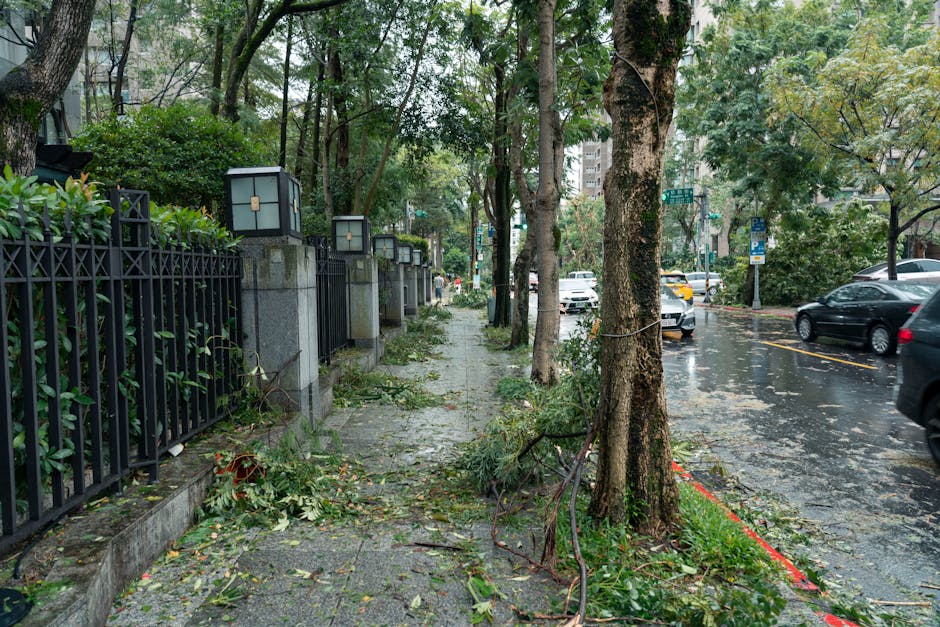
Garden clearance is useful when a space has become crowded with cuttings, branches, old pots, broken items or accumulated debris. It can also help where planting has become overgrown and sections of the garden are no longer easy to use. Clearance work is usually more than simple tidying because it involves removing material from the site and restoring a workable layout. The result is often a cleaner, safer and more practical outdoor area.
Clearance needs vary widely. In some gardens, the main issue is a straightforward build-up of green waste after pruning or seasonal work. In others, the work may involve tackling neglected corners, clearing access to sheds or outbuildings, and removing mixed waste that has gathered over time. We approach this in a measured way, separating what can be cut back from what needs to be taken away so that the finished area is left orderly rather than just reduced in bulk.
Where clearance is combined with other maintenance, it often makes sense to deal with the space in stages. First comes the removal of the material that is in the way, then the shaping and tidying work that reveals the structure of the garden again. If you are preparing to request a quotation, a brief description of the main cluttered areas is usually enough to begin. Clear priorities help create clearer pricing conversations and avoid assumptions about the amount of work required.
Hedge Trimming and Shrub Care
Hedge trimming is an important part of keeping garden boundaries neat and manageable. Well-shaped hedges can define a space clearly, screen neighbouring areas and provide structure to the rest of the garden. When they are left for too long, though, they can spread beyond their intended outline, reduce light and make nearby paths or beds harder to use. Trimming brings the growth back into shape and supports a tidier overall appearance.
We also look after shrubs and similar planted areas where controlled cutting improves balance and presentation. The aim is not to force every plant into the same shape, but to remove awkward growth, encourage a cleaner outline and keep the garden feeling proportionate. Some hedges and shrubs need careful reduction, while others only need seasonal tidying. The right approach depends on the type of plant, the amount of growth and the intended finish.
When thinking about hedge work, it helps to consider access, height, width and the amount of cut material that will need dealing with afterwards. Those practical details shape the time and effort involved, as well as the equipment needed. If a hedge sits along a boundary or near a narrow passage, the work may need a more deliberate approach to keep the surroundings protected. Good trimming is as much about restraint as it is about cutting.
About Hanwell
Hanwell is a district in the London Borough of Ealing in west London, known for its mix of residential streets, historic transport routes and open green spaces. The area lies between Ealing, Greenford and Southall, with the Grand Union Canal forming one of the most recognisable landscape features nearby. Hanwell has long been connected with movement and infrastructure: the Great Western Railway brought major change in the nineteenth century, and Hanwell station remains a key part of local rail access today. The borough’s past can still be traced in older streets and buildings, including the parish church of St Mary the Virgin, which stands close to the main road and gives a strong sense of continuity with the area’s earlier settlement pattern. Nearby, the Wharncliffe Viaduct is one of the most notable pieces of railway engineering in the locality, carrying the line over the Brent valley and acting as a visible reminder of the nineteenth-century expansion that shaped this part of west London. The canal corridor and the valley landscape also contribute to the district’s character, providing routes for walking and cycling as well as pockets of greenery among the housing. Local open spaces such as Brent Lodge Park and Elthorne Park add to the area’s recreational life, while the broader streetscape reflects the gradual layering of suburb, village history and urban development. Hanwell is not a place with a single defining centre so much as a collection of routes, landmarks and neighbourhood edges, and that varied structure is part of its identity. Its pubs, churches, parks and transport links all contribute to a place that feels rooted in west London history while remaining thoroughly part of the modern city.
Landscape Gardening for Rear Gardens and Front Areas

Landscape gardening covers more substantial changes to the shape and layout of an outdoor space. It may involve reworking planting areas, defining borders, improving the relationship between lawn and path, or creating a tidier and more coherent structure across the garden. Unlike routine maintenance, landscape work is usually about arrangement and form as well as upkeep. The outcome should feel deliberate, with each part of the garden contributing to the whole.
In practical terms, landscaping can support a wide range of needs. A front garden may benefit from cleaner lines and better use of space, while a rear garden may need rebalancing so that seating, lawn and planting areas are easier to enjoy. We keep the focus on usable improvements rather than unnecessary complication. Some gardens need simple reshaping and levelling, while others need more detailed preparation before any visible transformation can happen. The right plan depends on what is already in place.
Our approach stays grounded in the site itself, which means looking at what can be retained, what should be cut back and what needs redesigning. That avoids waste and keeps the work proportionate. If the garden already has good structure, smaller changes may be enough to make it feel refreshed. If it lacks shape, a more considered landscaping plan can create order without making the space feel overworked.
Lawn Mowing and Edge Definition
A tidy lawn can change the appearance of a garden very quickly, which is why mowing remains one of the most useful outdoor maintenance tasks. A good cut helps the grass grow evenly, keeps the surface manageable and supports a cleaner overall finish. When lawn care is neglected, the grass can become patchy, uneven or difficult to maintain, especially around borders and obstacles where growth tends to vary.
We take care of lawns with attention to detail around edges, corners and awkward sections that are often missed during basic maintenance. That may include trimming around paths, flowerbeds, trees or boundary features so that the whole area feels properly finished. The best results usually come from combining mowing with edging and light clearance, because a neat lawn looks better when its borders are also kept under control.
There are a few practical points that help when arranging lawn work. Access to the grassed area, the size of the lawn, the presence of slopes or obstacles and the current length of growth all affect the approach. If the grass is very long, it may need more than one pass or a more careful first cut. If you are asking for a quotation, it is useful to note whether the lawn is part of a larger garden job or needs attention on its own.
Project Planning and Quotation Details

When a garden service is quoted properly, the most useful information is usually practical rather than elaborate. A short description of the work needed, the approximate size of the area and any obvious access points can help build a clearer picture of the job. If there are sections that are heavily overgrown, it is worth identifying them separately from lighter maintenance areas so the quotation reflects the actual effort involved. Good preparation is less about formality and more about clarity.
It can also help to think about priorities before making contact. For example, you might want to separate essential work from desirable extras, such as deciding whether the main need is clearance, trimming or ongoing maintenance. If there are plants or structures that should be preserved, mentioning them early helps avoid misunderstanding. Useful quotations depend on the work being described plainly, not on broad assumptions about what a garden might need.
If you are gathering information for a quote, keep it simple: what needs doing, where the main issues are, and whether the work is one-off or recurring. You can also mention if there is a preferred time frame, especially where growth is already affecting access or presentation. Request a quotation when you are ready to compare the scope of work with the results you want.
Tree Lopping and Removal
Tree work needs careful handling because trees affect light, space and the overall balance of a garden. Lopping and removal are more serious interventions than standard pruning, and they are generally used where a tree has become too large, is obstructing the site or no longer suits the layout of the garden. The objective is to deal with the practical issue safely and responsibly while keeping the rest of the space in good order.
Tree-related jobs may also involve clearing cut material, managing branches that overhang paths or structures, and reducing pressure on neighbouring planting. In some gardens, the tree work is part of a broader tidy-up; in others, it is the main task. We treat it as a specialist kind of outdoor maintenance because it can change the way light reaches the garden and how easily other work can be carried out around it. That makes planning important.
There are limits to what should be attempted without proper assessment. Size, location and surrounding features all matter, especially where branches are close to fences, sheds or boundary lines. The safest approach is usually to consider the tree’s current condition and the intended outcome together. That way, the work can be matched to the site instead of relying on a one-size-fits-all solution.
Preparing a Garden for Regular Use
Some customers want a garden that feels ready for everyday use rather than a purely decorative finish. That may mean making a lawn usable again, opening up a path, reducing the amount of cutting back needed or removing material that gets in the way. The main focus is not perfection for its own sake, but a space that is cleaner, easier to move around and more pleasant to spend time in.
When a garden has been left untended, the first stage is often to restore basic order before any finer work is considered. Once the obvious clutter, overgrowth and uneven sections have been dealt with, the space becomes much easier to assess. From there, we can decide whether routine maintenance is enough or whether more substantial work would better suit the garden’s condition. This measured approach helps avoid unnecessary disruption.
If you are unsure where to begin, start with the area that affects access most. That might be a path, a seating spot, the main lawn or a boundary that is closing in. Addressing the most practical issue first usually gives the quickest improvement and creates a better base for any further work that follows.
Seasonal Work and Ongoing Care

Seasonal change affects gardens in obvious ways, from spring growth spurts to autumn leaf fall and winter dieback. Outdoor spaces often need different kinds of attention at different times of year, and a sensible maintenance plan will reflect that. Some seasons call for trimming and tidying, while others are better for cutting back growth, clearing fallen material or preparing the garden for the next active period. Matching the work to the season helps keep the garden manageable.
Ongoing care is useful when a property needs consistency rather than occasional rescue work. A steady pattern of maintenance can prevent overgrowth from taking hold, keep lawns in reasonable condition and stop borders from becoming difficult to manage. It also makes later jobs simpler because the garden is being kept within a workable range. If you already know what the recurring issues are, it is easier to shape a routine that fits the site.
For a quotation or a straightforward discussion of the work, it helps to describe whether the garden needs a one-off visit or repeated attention. That single detail often changes the scope of the task more than anything else. If you are ready to move ahead, request a quotation and outline the main jobs you want covered.