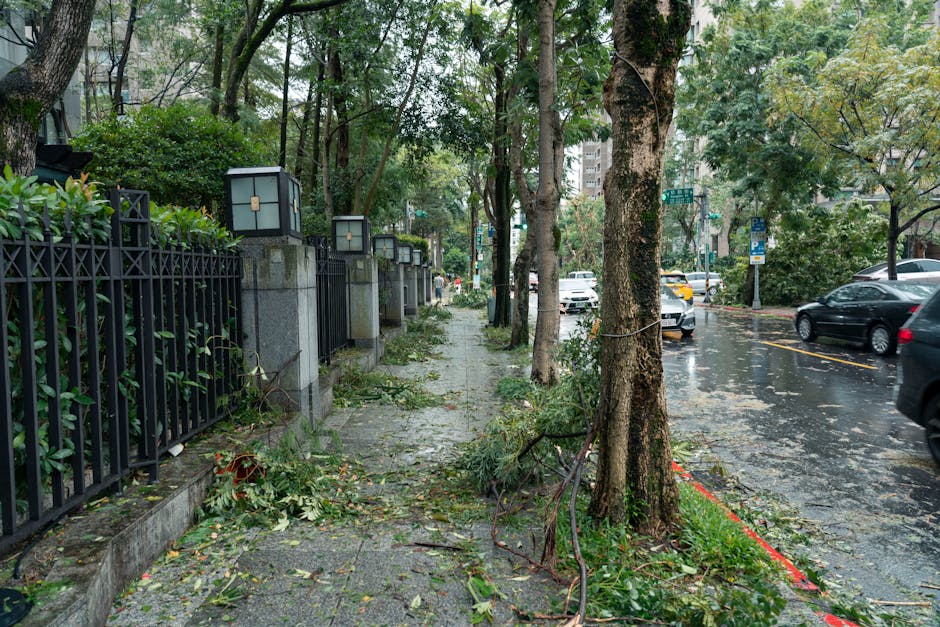
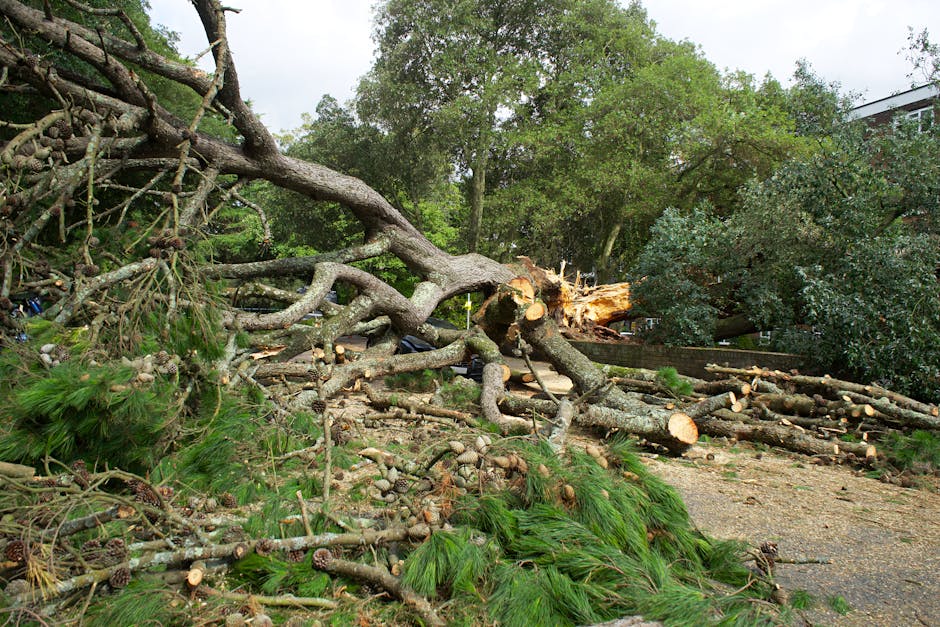
Same day gardeners Hanwell for storm damage and urgent cleanup
When a storm tears through your garden, it rarely leaves things in a neat, manageable mess. You might find snapped branches across the lawn, soil washed into paths, bins blown over, damaged fencing, or a hedge half-collapsed after a night of strong wind. In that moment, Same day gardeners Hanwell for storm damage and urgent cleanup is not just a convenient service; it can be the difference between a garden that stays unsafe and one that is quickly brought back under control.
This guide explains what same-day garden cleanup usually involves, how the process works, what to expect, and how to choose the right help when time matters. If you are dealing with fallen debris, a risky tree limb, or a garden that needs clearing before the weekend, you are in the right place. Let's face it, nobody wants to spend hours wrestling wet branches in the cold after a rough night.
Practical takeaway: same-day storm cleanup is about speed, safety, and sensible triage. The best response is usually to make the area safe first, remove the obvious hazards, and then tackle the finer tidy-up once the urgent risk is gone.
For readers who want a broader view of what a local team can handle, it can also help to look at the wider services overview, or, if the mess is especially heavy, the dedicated garden clearance page. Those pages are useful if storm damage has turned into a bigger cleanout than expected.
Table of Contents
- Why same-day storm cleanup matters
- How same-day gardeners in Hanwell work
- Key benefits and practical advantages
- Who this is for and when it makes sense
- Step-by-step guidance
- Expert tips for better results
- Common mistakes to avoid
- Tools, resources and recommendations
- Law, compliance and best practice
- Options, methods and comparison table
- Case study or real-world example
- Practical checklist
- Conclusion
- Frequently asked questions
Why Same day gardeners Hanwell for storm damage and urgent cleanup Matters
Storm damage in a garden is not only cosmetic. A broken branch can block a path, a toppled shrub can hide sharp debris, and loose timber or fencing can create a genuine hazard for children, pets, neighbours, and delivery drivers. In a built-up place like Hanwell, where outdoor spaces often sit close to walkways, side returns, and shared boundaries, the need for prompt attention is even clearer.
Urgent cleanup also matters because storm damage tends to get worse if it is left alone. Wet soil can compact into slippery patches. Fallen leaves and broken stems can clog drains or sit against walls and fencing, holding moisture where you do not want it. Even a garden that looks "not too bad" after a storm may have hidden issues underneath. A branch may be cracked but still hanging. A fence panel may be leaning because posts have shifted. You do not always see the full problem from the kitchen window.
There is also the simple stress factor. After bad weather, people want their outdoor space back to normal quickly. The garden may be the route to the shed, the washing line, the back gate, or the family bin store. Delays can make the mess feel bigger than it is. A same-day response brings order back fast, and that alone has real value.
In our experience, the best urgent jobs are the ones where the team arrives with a calm plan rather than just a lot of enthusiasm. It sounds obvious, but a clear first hour often saves a lot of time later.
How Same day gardeners Hanwell for storm damage and urgent cleanup Works
Same-day garden cleanup is usually built around fast assessment and practical prioritisation. The aim is not to turn a damaged garden into a full landscape redesign in one visit. It is to make the space safe, usable, and presentable as quickly as possible.
1. Initial contact and problem description
You explain what happened, what has been damaged, and whether there are any immediate hazards. The more specific you are, the better. Mention fallen branches, blocked access, unstable trees, broken fence sections, debris on artificial or natural lawn, or waterlogged areas. If a tree is leaning or a large limb is hanging, say so clearly.
2. Priority sorting
The team will usually separate the job into urgent safety work and general cleanup. For example, a branch that could fall needs attention before a pile of leaves does. Loose debris on a drive or path may be removed before tidying the far corner of the garden. This triage approach is standard on responsive jobs and it keeps the visit efficient.
3. Site work
On arrival, the gardeners will normally begin by assessing access, hazard points, and the best way to move material out safely. They may cut back broken growth, remove debris, gather and bag waste, and clear paths or patios. If the storm has affected trees, a more specialist service such as tree lopping and removal may be more appropriate, especially where there is instability or a heavy overhead limb.
4. Cleanup and disposal
Once the hazards are reduced, the team finishes the tidy-up. That may mean raking, sweeping, collecting small fragments, stacking reusable material neatly, and removing green waste. If the garden has been heavily cluttered by broken planting, toppled pots, or weather-blown detritus, a broader garden clearance approach can be more efficient.
5. Follow-up advice
A good same-day service will usually tell you what still needs attention later. Maybe the hedge needs reshaping after the storm. Maybe the lawn needs aeration after being waterlogged. Maybe a fence panel needs replacement. The point is to leave you informed, not guessing.
There is a useful distinction here: urgent cleanup is not the same as a long-term garden recovery plan. Sometimes you need both. Sometimes you only need the first stage. That judgment matters.
Key Benefits and Practical Advantages
Choosing a same-day gardener for storm damage has a few obvious benefits, but the less obvious ones matter too.
- Rapid safety improvement: trip hazards, sharp debris, and unstable branches are dealt with quickly.
- Less secondary damage: leaving wet debris in place can stain patios, damage borders, or create further decay.
- Faster access: paths, gates, and bins become usable again without delay.
- Lower stress: someone else handles the messy part, which is a relief after a rough night.
- Better decision-making: once the obvious chaos is removed, you can see what actually needs repair.
- Cleaner presentation: important if you rent out a property, are expecting visitors, or simply want the place to look respectable again.
There is also a practical financial angle. Catching broken growth, unstable plants, or leaning branches early can sometimes prevent a bigger job later. Not always, of course, but often enough to make quick action worthwhile.
If you are comparing support options, it helps to know how the provider approaches pricing, scope, and timing. The pricing and quotes page is a sensible place to start when you want a clearer idea of how urgent work is usually handled.
Who This Is For and When It Makes Sense
This service is for anyone in Hanwell who needs a damaged garden dealt with quickly and safely. That might be a homeowner, a landlord, a tenant with permission to arrange maintenance, a property manager, or someone who simply cannot manage the heavy lifting themselves.
It makes sense if your garden has:
- fallen branches or twigs covering the lawn or patio
- a partially uprooted shrub or tree
- storm-blown debris scattered across access routes
- broken fencing or damaged boundary planting
- mud and leaf build-up after heavy rain
- a hedge that has split, bent, or shed a lot of material
- blocked pathways, drains, or side access
It is especially useful for elderly residents, busy families, or anyone who does not want to start handling sharp, wet, and awkward debris without the right equipment. To be fair, a pile of soggy branches looks smaller from the window than it does once you start dragging it by hand.
Sometimes urgent cleanup is also the right choice before a routine service can resume. For instance, once the debris is gone, normal garden maintenance becomes possible again, and a damaged hedge may later be restored with hedge trimming once the immediate mess has been cleared.
Step-by-Step Guidance
If you are organising same-day help after storm damage, here is the most sensible way to approach it.
- Walk the garden carefully. Do a visual check from a safe distance. Look for unstable branches, blocked paths, damaged edges, and waterlogged patches.
- Keep away from obvious hazards. Do not stand under hanging limbs or lean on fencing that looks shifted. Obvious, yes, but easy to forget when you are trying to inspect everything at once.
- Take a few quick photos. This helps you explain the problem clearly when you call or message. It also helps you remember what was damaged once the immediate stress has passed.
- Prioritise what must be cleared first. Access routes, large debris, and unsafe branches come before cosmetic tidy-ups.
- Ask about disposal. Make sure you understand whether green waste will be removed, bagged, stacked, or left for your collection.
- Be clear about access. If there is a side gate code, locked passage, or narrow entry, mention it early. Same-day jobs move much faster when access is sorted.
- Request a brief follow-up assessment. After the urgent mess is handled, ask what still needs repair, pruning, or longer-term work.
That last step is often overlooked. A quick recovery job can reveal a bigger issue, and it is better to know that sooner rather than later.
Expert Tips for Better Results
These are the small things that make urgent garden work smoother and more effective.
- Describe the worst problem first. Start with the hazard, not the whole history of the garden.
- Keep pets and children inside until the job is complete. Storm damage can hide sharp or unstable pieces.
- Leave wet debris alone if it is heavy. Slippery branches and soaked turf are more awkward than they look.
- Separate reusable material from waste if you can do so safely. It can speed up the clearance process.
- Ask for a phased approach if the mess is large. First make safe, then tidy, then repair. Simple and sensible.
- Check neighbouring boundaries. In shared gardens or terrace layouts, the storm may have crossed from one property to another.
One practical tip that people rarely think about: if the storm has also affected your lawn, avoid walking on it repeatedly before cleanup. Wet turf compacts easily and ends up looking much worse than the original storm damage. It is a small thing, but it matters.
For broader garden improvement after the urgent work is done, some clients later choose landscaping or landscape gardening to restore damaged sections in a more lasting way. That is not always needed, of course, but it is a useful next step when the storm has exposed weak spots in the layout.
Common Mistakes to Avoid
When a garden looks chaotic, people often rush. Understandable. But a few common mistakes can make a storm cleanup harder than it needs to be.
- Trying to drag heavy branches by hand. It is tiring and can lead to strain or cuts.
- Ignoring hanging debris. Anything partially attached may still fall later.
- Using the wrong tools. A blunt saw or small hedge trimmer is not the answer to thick storm-fallen timber.
- Clearing one area too early. If you move debris without checking the full hazard pattern, you may miss unstable material nearby.
- Leaving a damp pile to "sort later". Wet organic waste can become smelly, heavy, and awkward very quickly.
- Assuming all damage is cosmetic. A leaning fence or split trunk may be signalling structural trouble.
There is also a quieter mistake: not asking enough questions. If you want clarity on what the work includes, what waste is removed, and whether follow-up repair is recommended, ask before the job starts. It saves confusion. Always does.
Tools, Resources and Recommendations
Most same-day gardeners use a practical mix of hand tools and clearance equipment suited to the type of damage. The exact kit depends on the job, but common items may include pruning tools, hand saws, loppers, rakes, heavy-duty bags, tarpaulins, brooms, and protective gloves. For larger branches or tree-related issues, specialist cutting and lifting equipment may be used by experienced teams.
From a homeowner's point of view, the most useful "resource" is actually preparation. A clear driveway, safe access point, and concise description of the problem make the whole visit easier. If you have the time, you can also note which items are being kept, such as plant pots, furniture, or decking accessories, so they are not accidentally moved.
If your damage includes a deck, damaged timber edge, or debris lodged around steps, it may be worth discussing whether decking services are needed after the cleanup. Storms have a funny way of revealing what has been gradually weakening for months.
And if you are trying to keep on top of recurring overgrowth after recovery, routine mowing or trimming later on can help stabilise the garden again. That is where lawn mowing becomes part of the longer picture, not just a cosmetic extra.
Law, Compliance, Standards, or Best Practice
For urgent garden work, the main compliance concerns are usually safety, waste handling, property access, and care around trees or shared boundaries. The details vary depending on the exact situation, and it is wise to avoid overclaiming certainty where a specific property or tree may need its own assessment.
In general, good practice includes:
- working safely around unstable branches and damaged structures
- using suitable personal protective equipment
- disposing of green waste responsibly
- taking care not to damage neighbouring property
- checking whether a tree issue needs specialist attention
- being clear about the scope of work before it starts
If a tree is involved, the risk level can change quickly. A visibly leaning trunk, a split limb, or movement at the base may warrant more caution than a simple branch tidy. In that situation, it is sensible to treat the area as unsafe until a professional has assessed it. Common sense, really, but worth stating.
Trustworthy providers should also be transparent about their working standards. Pages such as health and safety policy, insurance and safety, and recycling and sustainability can be helpful if you want to understand how a company approaches risk, responsibility, and waste handling. Those details matter more than many people realise when the job is urgent.
Options, Methods, or Comparison Table
Not every storm-related garden problem needs the same type of response. The table below compares common approaches so you can choose sensibly.
| Approach | Best for | Strengths | Limitations |
|---|---|---|---|
| Same-day garden cleanup | Immediate hazards, blocked access, visible storm debris | Fast, practical, safety-focused | May not cover full restoration work |
| Garden clearance | Large volumes of broken material or widespread mess | Efficient for heavy cleanouts | Less focused on longer-term garden care |
| Targeted pruning and cutting back | Broken branches, overhanging growth, damaged shrubs | Reduces risk quickly | May need follow-up shaping |
| Longer-term garden maintenance | Recovery after the urgent damage is removed | Keeps the space steady and manageable | Not suitable for immediate danger |
| Landscaping or repair work | Areas where storm damage has altered the layout | Restores structure and appearance | Usually not a same-day fix |
The short version? If someone could trip over it, cut themselves on it, or get blocked by it, start with same-day cleanup. If it is mainly about restoring the garden afterwards, that becomes a broader maintenance or landscaping conversation.
Case Study or Real-World Example
Here is a realistic example drawn from the kind of job people often need after a stormy night in west London.
A homeowner in Hanwell wakes up to find a large branch down across part of the lawn, smaller twigs scattered over the patio, and a hedge bent badly against the fence line. The side path is passable, but only just. The family dog is kept indoors because there are sharp bits mixed into the soil near the gate. The homeowner does not need a full garden redesign. They need the space made safe, usable, and tidy enough to stop the situation getting worse.
A same-day gardening team would typically start by removing the branch blocking movement, then clear the smaller debris from paths and seating areas, and finally assess whether the hedge or fence needs further attention. If the hedge has split rather than merely drooped, a later trim or repair may be needed. If the branch came from a larger tree, specialist tree work could follow.
What makes this kind of job successful is not dramatic effort. It is steady judgement. Fix the hazard first. Clear the access second. Leave the bigger recovery plan for later. That sounds basic, but it is exactly what most people want in the middle of a stressful morning.
Practical Checklist
Use this quick checklist before and during a same-day storm cleanup request.
- Identify the most urgent hazard first
- Keep away from hanging branches or leaning structures
- Take a few photos if it is safe to do so
- Make sure access to the garden is available
- Keep children and pets clear of the area
- Ask what waste will be removed
- Clarify whether the job is a cleanup, clearance, or tree-related issue
- Check whether follow-up maintenance or repair will be recommended
- Ask for clear timing if the work is truly urgent
- Confirm how the team handles disposal and site tidying
If the garden is still wet and windswept, do not be tempted to do everything yourself before help arrives. A little patience here can prevent a much messier afternoon. Weirdly enough, that is often the hard part.
Conclusion
Storm damage is frustrating because it changes the feel of a garden instantly. One minute everything is familiar; the next, it is branches, mud, and debris everywhere. The good news is that a same-day response can bring calm back quickly. It makes the space safer, easier to move through, and much less overwhelming to face.
For many Hanwell properties, the smartest approach is simple: deal with hazards first, clear the debris properly, and then decide whether extra pruning, garden maintenance, or a more substantial repair is needed. That sequence keeps costs sensible and avoids rushing into work you may not actually need.
If you want a trusted next step after a storm, reach out for prompt help, ask clear questions, and choose a team that values safety as much as speed. That combination is what really matters when the weather has done its worst.
Get a free quote today and see how much you can save.
And if you want to learn more about the people behind the service before booking, you can also read the about us page for a bit more context on how the team works day to day.
Frequently Asked Questions
How quickly can same-day gardeners in Hanwell respond after storm damage?
Response times depend on the day, the scale of the damage, and access to the property. In urgent cases, the goal is usually to assess and make the area safe as quickly as possible, then clear the worst debris first.
What counts as an urgent garden cleanup?
Anything that creates a safety risk or blocks normal access counts as urgent. That includes fallen branches, unstable shrubs, debris across paths, broken fencing, or storm-blown material that could cause injury.
Can storm damage be cleaned up in one visit?
Sometimes, yes. Smaller or medium-sized jobs can often be handled in a single same-day visit. Larger damage may need a follow-up for trimming, repair, or additional clearance once the immediate hazard is removed.
Is tree damage handled as part of urgent garden cleanup?
It can be, but only to the extent that it is safe and appropriate. If the issue involves a large limb, a leaning trunk, or a potentially unstable tree, specialist attention may be needed. That is where careful judgement matters.
What should I do before the gardeners arrive?
Keep people and pets away from the damaged area, take a quick look from a safe distance, and clear access if you can do so safely. Try not to move heavy or unstable debris yourself.
Will the team take away the green waste?
Usually, that should be confirmed before the visit. Many urgent cleanup jobs include removal of storm debris, but it is sensible to ask exactly what is included so there are no surprises.
How is urgent cleanup different from regular garden maintenance?
Urgent cleanup focuses on immediate hazards and fast tidying after damage. Regular maintenance is about keeping the garden under control over time, such as trimming, mowing, and general upkeep.
What if the storm has damaged my hedge as well as the lawn?
That is fairly common. The garden may need debris removed first, then hedge shaping or trimming later once the damaged material is out of the way. If the hedge is badly split, it may need more than a simple tidy.
Can a same-day service help if my patio or deck is covered in debris?
Yes, if the debris is part of the storm cleanup and can be removed safely. If timber surfaces themselves are damaged, it may be worth looking at decking services after the urgent cleaning stage.
How do I know whether I need garden clearance or just a quick cleanup?
If the garden has a large volume of broken material, uprooted plants, or widespread mess, garden clearance is often the better fit. If the issue is mainly immediate safety and access, same-day cleanup is usually enough to start with.
Are there any safety checks I should ask about?
Yes. It is sensible to ask about working methods, insurance, and how hazards are handled, especially if trees, fences, or slippery surfaces are involved. Pages like insurance and safety and health and safety policy are useful reference points.
What happens after the urgent cleanup is complete?
Usually the garden is left safe, tidy, and ready for the next stage of work, if any. That might mean trimming, repair, or ongoing maintenance. Sometimes the best result is simply getting the garden back to a calm, usable state. And honestly, after a storm, that feels like a win.