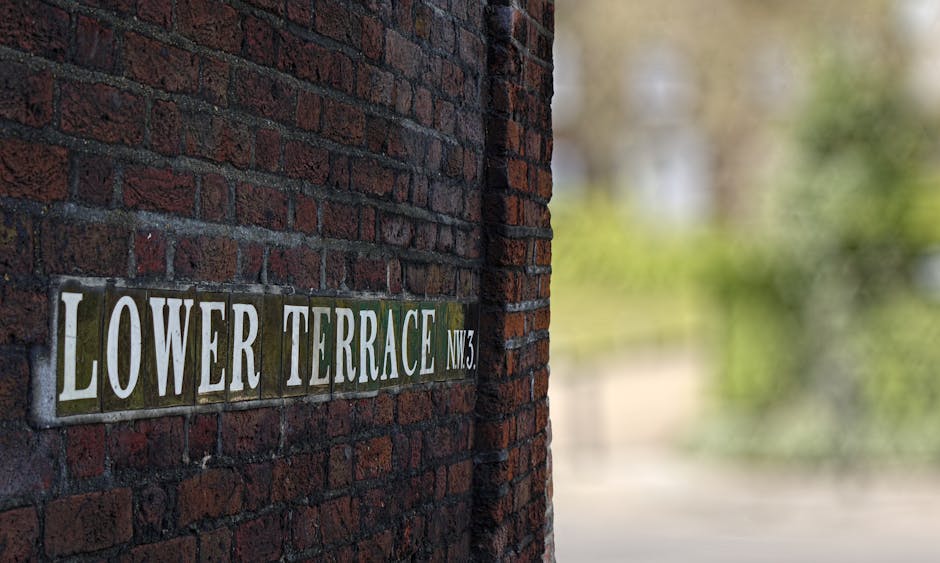
W7 Gardeners for Period Terraces Near Hanwell Station: Practical, Local Help for Gardens That Need a Careful Hand
If you live in a period terrace near Hanwell Station, you already know the garden is rarely just "a patch of green". It's often a narrow front space, a shaded back yard, an awkward side return, or a little enclosed court that needs more judgement than brute force. That is exactly where W7 gardeners for period terraces near Hanwell Station earn their keep. The right gardener understands older London homes, the quirks of compact plots, and the balance between keeping things tidy and respecting the character of the property.
In practice, that means thoughtful pruning, sensible planting, careful waste handling, and a plan that works with the terrace rather than against it. This guide walks through what the service actually involves, why it matters, what to look for, and how to get better results without turning the whole thing into a weekend headache.
One quick note before we begin: period terraces are charming, but they can be fussy. That's normal. A little knowledge goes a long way.
Why W7 gardeners for period terraces near Hanwell Station Matters
Period terraces bring a very particular set of gardening conditions. You're often dealing with older boundary walls, mature shrubs planted years ago by someone with a very different idea of "low maintenance", and soil that has been compacted by decades of use. Add local railway noise, passing foot traffic, and sometimes a shade pattern created by the terrace itself, and suddenly a garden that looked simple on paper becomes a bit of a puzzle.
That is why choosing W7 gardeners for period terraces near Hanwell Station matters. A competent local gardener is not just there to cut things back. They notice where water sits after rain, where ivy is doing more damage than good, which plants are fighting for light, and which corners need a gentler approach because the brickwork is old and easily marked.
Near Hanwell Station, convenience also matters. Gardens around transport links can be seen by more people, used more intensively, and expected to look presentable with less effort than a large suburban plot. For a terrace, that usually means a neat, repeatable maintenance rhythm rather than heroic one-off clearances every six months. To be fair, the gardens that look best are often the ones that are managed steadily, not dramatically.
There is another reason this topic matters: period properties can lose value in the eyes of visitors or buyers if the garden feels neglected, overgrown, or disconnected from the style of the house. A well-kept terrace garden does not need to be formal. It just needs to feel intentional. That subtle difference is huge.
Expert summary: The best terrace gardening is usually the least flashy. It combines restraint, timing, and a clear sense of proportion. If the house is Victorian or Edwardian, the garden should usually complement that character rather than compete with it.
How W7 gardeners for period terraces near Hanwell Station Works
At its core, the process is straightforward. A local gardener visits, assesses the space, listens to what you want, and then builds a plan that fits the garden's scale, condition, and maintenance demands. In a period terrace, though, that assessment is more important than people think. One small overgrown border can hide drainage issues, root competition, or plant damage close to a boundary wall.
Here's what usually happens in a well-run service:
- Initial assessment: The gardener looks at access, light levels, current growth, planting structure, and the condition of hard edges such as walls, paving, and paths.
- Priority setting: Safety, access, and obvious problem areas come first. Think overhanging branches, tangled climbers, blocked gutters from nearby foliage, or weed pressure in paving.
- Seasonal work plan: The gardener decides what needs immediate attention and what should wait for the right season. That matters more than people realise, especially with pruning.
- Maintenance or restoration: This may include border tidy-ups, deadheading, hedge and shrub shaping, weeding, lawn care, soil improvement, pot management, or small planting changes.
- Waste handling and tidy finish: A proper service should leave the space clean, usable, and safe, not just "done".
The best part? A good gardener does not make the space feel overworked. The aim is usually calm, clean, and cohesive. If you've ever looked at a terrace garden after a frantic cutback and thought, "well, that's not quite what I meant," you'll know why this matters.
For a broader view of what local support can include, it helps to review the range of gardening services available in Hanwell. That can make it easier to match the level of service to the actual condition of your terrace.
Key Benefits and Practical Advantages
There are some obvious benefits to hiring experienced gardeners, and then there are the quieter, more practical ones that really make life easier over time.
- Better fit for older homes: Period terraces often need softer, more selective maintenance than modern plots.
- Improved kerb appeal: A tidy terrace garden gives the whole property a more cared-for look, even if the space is small.
- Less plant stress: The right pruning and feeding choices help plants recover instead of going into a spiral of weak regrowth.
- More usable space: When paths, borders, and access points are properly managed, the garden becomes easier to enjoy, not just look at.
- Reduced long-term mess: Regular care usually prevents the heavy, expensive, awkward jobs that pile up when a garden is ignored.
- Better seasonal timing: You get pruning, planting, and tidying done when it will actually help the plants rather than shock them.
There's also something less measurable but equally valuable: peace of mind. You stop wondering what is growing into the fence, what should be cut back, or whether that large shrub has quietly turned into a small hedge. Truth be told, that alone can be worth it.
If you're comparing providers, have a look at pricing and quotes for local gardening work so you can think in terms of scope and value rather than guesswork.
Who This Is For and When It Makes Sense
This kind of service makes sense for quite a few different households, not just keen gardeners.
- Busy homeowners: If you want the terrace to stay smart without spending every Saturday on it, this is a good fit.
- Landlords and property managers: A neat garden can make a big difference to how a period rental feels to tenants.
- Older homeowners: Steep steps, narrow side access, and repetitive maintenance can become more tiring than they used to be.
- New residents: If you've just moved into a terrace near Hanwell Station, you may inherit a garden that needs both tidying and a reset.
- People preparing to sell: A compact, well-shaped garden helps buyers see potential instead of chores.
It makes sense when the garden has become slightly out of balance. Not a disaster. Just enough to feel like it always has one more job waiting. Maybe the climber is swallowing the wall, maybe the pots are tired and mismatched, maybe the front garden has lost its shape. Small signs, really. But they add up.
If you want to know more about the people behind the service, you can read about the team and approach. That can be helpful if trust and local familiarity matter to you, which they usually do.
Step-by-Step Guidance
If you want the best outcome from W7 gardeners for period terraces near Hanwell Station, it helps to approach the work in a sensible order. That keeps the project practical and avoids wasted effort.
- Walk the whole garden first. Don't just focus on the obvious problem area. Check the front, back, and any side return or narrow strip. You may notice drainage patterns, shade, or plant congestion that are not visible from one spot.
- Decide what must stay. Mature shrubs, climbers, and heritage features can add real character. Not everything overgrown needs removing. Sometimes it just needs reshaping.
- Separate urgent work from seasonal work. Clearing trip hazards, improving access, and removing dead growth can happen quickly. More sensitive pruning may need the right season.
- Choose a maintenance rhythm. For many terrace gardens, smaller and more frequent visits are better than occasional heavy intervention. The garden stays calmer, and so do the plants.
- Improve the basics. Soil condition, mulching, watering, and weed control often do more for the long-term look of a terrace than fancy planting ever will.
- Review after the first visit. The first pass often reveals hidden issues. That's normal. A second look a few weeks later can fine-tune the shape and priorities.
A good local gardener will explain what can be done now and what should wait. That kind of honest pacing is a good sign. If someone promises to "sort everything in one go," well, maybe, but I'd listen carefully.
Expert Tips for Better Results
Here are a few practical tips that make a real difference in terrace gardens around Hanwell.
1. Respect the scale of the house
Period terraces usually look better when the planting is proportionate. Overly large shrubs or aggressive climbers can dominate the frontage and make the house feel smaller. Aim for shape, texture, and balance rather than bulk.
2. Keep one clear design idea
A small garden can feel cluttered very quickly. Whether you prefer cottage-style planting, simple evergreen structure, or a relaxed urban courtyard feel, pick one direction and stick with it. The space will look calmer straight away.
3. Don't over-prune in the name of tidiness
There's a difference between smart and stripped-back. Hard pruning at the wrong time can weaken plants, reduce flowering, and leave ugly gaps. A careful gardener will often remove less than a hurried one, but achieve more.
4. Use containers strategically
Containers are useful in terraces because they add height, soften hard paving, and can be moved to suit the light. But they do need drainage, feeding, and occasional renewal. Otherwise they just become clutter in nice pots.
5. Watch the edges
Edges matter more in small gardens. A crisp border, a clear path line, or a tidy step edge makes the whole space feel looked after. It is a small thing, honestly, but it changes the impression immediately.
6. Keep composting and recycling in mind
Green waste should be managed sensibly, especially if the job produces a lot of clippings, leaves, or old potting material. A service that takes recycling and sustainability seriously is usually more organised overall. You can learn more about that approach in the company's recycling and sustainability commitments.
And one more thing: if a section of the garden is making you sigh every time you look at it, start there. That emotional friction is usually telling you something useful.
Common Mistakes to Avoid
Even good terrace gardens can go sideways if a few common mistakes are repeated. Most of these are fixable, which is the reassuring bit.
- Cutting back too hard, too fast: It can damage structure and remove next season's growth.
- Ignoring access issues: Narrow paths, awkward gates, and tight side returns affect what can be done safely.
- Letting climbers go unchecked: Ivy, wisteria, and other climbers can be beautiful, but they need regular judgement, not just occasional trimming.
- Overcrowding the space: Too many pots, ornaments, or plant varieties can make a terrace feel smaller and busier than it is.
- Skipping soil improvement: In many terrace gardens, the soil is the real limitation. Improve that, and the rest gets easier.
- Choosing maintenance only by price: Cheaper is not always cheaper if the work needs redoing or causes plant damage.
Another mistake is assuming every overgrown garden needs a full clear-out. Sometimes what it really needs is one calm, skilled hour of editing. Big difference.
Tools, Resources and Recommendations
Good gardeners bring the right tools for the right job, and in a period terrace that usually means a mix of precision and restraint. You do not always need heavy machinery. In fact, smaller tools are often better for older gardens because they're less likely to damage brickwork, paving, or shallow-rooted plants.
Useful tools and materials often include:
- sharp secateurs for clean cuts
- loppers for medium branches and awkward stems
- hedge shears where shaping is needed
- hand forks and trowels for border work
- mulch or compost to improve soil and reduce weed growth
- sturdy bags or containers for waste removal and sorting
From a planning point of view, the most useful "resource" is often a simple written note of what matters most to you. For example: preserve the jasmine, open up the front path, reduce shade on the kitchen window, keep the back border informal. That is the kind of detail that helps a gardener make better decisions on site.
It can also help to know the scope of work before anything starts. If you want a cleaner sense of what the service categories include, the services overview is a sensible starting point. And if you're ready to discuss your own space, the contact page is the place to begin.
Law, Compliance, Standards, or Best Practice
For domestic gardening, there is usually more emphasis on best practice than on complicated legal requirements. Still, responsible gardeners should work safely, respect property boundaries, and handle waste properly. If a job involves ladders, power tools, steep access, or awkward lifting, safety becomes very real, very quickly.
In the UK, a sensible terrace gardening service should be clear about:
- health and safety practices: especially where tools, trip hazards, or elevated work are involved
- insurance and safety arrangements: useful for peace of mind if work is being carried out around walls, paving, windows, or shared access points
- fair terms and payment processes: so everyone understands what is included and when payment is due
- complaints handling: a professional business should have a simple process if something needs to be put right
Those are not just box-ticking topics. They are part of what separates a decent service from a risky one. If you want to review those details, the company's health and safety policy and insurance and safety information are worth a look. For service expectations and practical terms, see the terms and conditions and payment and security guidance.
There is also a broader trust factor here. A company that pays attention to accessibility, privacy, and clear procedures usually pays attention on site as well. Not always, but often enough to matter.
Options, Methods, or Comparison Table
For period terraces near Hanwell Station, the main decision is usually not "garden or no garden". It is more about how intensive the service should be and what type of maintenance suits the space.
| Approach | Best for | Pros | Things to watch |
|---|---|---|---|
| One-off tidy-up | Overgrown gardens, move-in resets, pre-sale prep | Fast visible improvement, clears the backlog | May not stop regrowth without follow-up |
| Regular maintenance visits | Busy homeowners and smaller terrace gardens | Keeps the space controlled and neat | Needs consistent scheduling |
| Seasonal gardening plan | Gardens with established shrubs and climbers | Works with plant cycles and reduces stress | Requires patience and timing |
| Light-touch caretaking | Simple terrace plots or low-intervention gardens | Low disruption, minimal fuss | May not suit rapidly growing spaces |
For many terrace gardens, regular maintenance is the sweet spot. A one-off tidy can be a great reset, but if you want the garden to stay in shape, small ongoing visits usually win. It's less dramatic. Also less stressful. Which, let's face it, is a nice change.
Case Study or Real-World Example
Imagine a typical period terrace near Hanwell Station: narrow frontage, a modest back garden, a few mature shrubs, some paving, and a climber that started as a feature but now behaves like it owns the place. The owner has been meaning to deal with it for months. Perhaps longer.
On the first visit, a gardener might notice three things straight away: the climber is shading a window, a border has become packed with self-seeded growth, and the path edge is disappearing under weeds. None of that is unusual. In fact, it is very normal for London terraces.
The sensible response is not to hack everything down. A good approach would be to:
- reduce the climber gently and re-train it
- remove dead and crossing stems from the shrub layer
- clear the path edge so access is easy again
- improve the border with compost or mulch
- set a follow-up plan for the next season
Within a couple of visits, the garden starts to breathe again. Light returns to the window. The path looks wider. The plants look intentional rather than wild. That shift is subtle, but you feel it every time you step outside with a cup of tea and hear the station in the distance. The garden becomes part of the home again.
Practical Checklist
Use this quick checklist before booking or starting work on a period terrace garden.
- Have you identified the areas that matter most: front, back, side return, pots, or climbers?
- Do you want a one-off tidy, seasonal help, or ongoing maintenance?
- Are there plants you definitely want to keep?
- Is there any awkward access, fragile paving, or shared boundary to mention?
- Do you know whether the garden is mainly sunny, partly shaded, or mostly shaded?
- Have you thought about waste removal and recycling?
- Do you need the work done with minimal disruption to daily life?
- Are you happy with the provider's policies on safety, payment, and complaints?
- Would a small design reset help more than repeated tidying?
- Have you decided what "better" actually looks like for your garden?
If the answer to the last question is "not quite yet", that's fine. It just means the next conversation needs a bit of listening before anyone starts cutting.
Conclusion
W7 gardeners for period terraces near Hanwell Station are most valuable when they combine local understanding with careful, proportionate work. Period terraces need a gardener who can read the space properly, respect older materials, and make small gardens feel calm rather than crowded. That is the real difference.
Whether you need a full terrace reset, regular maintenance, or just a sensible plan for a tricky corner, the right approach will save time, reduce plant stress, and improve the whole feel of the property. Not overnight, maybe. But properly, and in a way that lasts.
Get a free quote today and see how much you can save.
If you're ready to explore the next step, it may help to review the pricing and quote options, then use the contact page to share a few details about your terrace. A good garden conversation usually starts with one honest look at what is there now.
Frequently Asked Questions
What do W7 gardeners for period terraces near Hanwell Station usually do?
They typically handle maintenance, pruning, weeding, border tidy-ups, planting advice, waste removal, and careful shaping that suits older terrace gardens. The exact service depends on the condition of the space and what you want to achieve.
Are period terraces harder to maintain than newer gardens?
Often, yes. Older terraces can have tighter access, mature planting, shaded corners, and older brick or paving that needs more care. They are not impossible, just more particular. A good gardener reads those details rather than fighting them.
How often should a terrace garden near Hanwell Station be maintained?
For many compact London gardens, regular smaller visits work better than occasional large clearances. Monthly, fortnightly, or seasonal work can all make sense depending on growth rate, planting style, and how much time you have.
Do I need a one-off tidy-up or ongoing maintenance?
If the garden is heavily overgrown or recently neglected, a one-off tidy-up is usually the first step. If you want it to stay under control, ongoing maintenance is usually the better long-term choice. The two often work best together.
Can gardeners help with climbers and old boundary walls?
Yes, but they should do so carefully. Climbers can be part of the charm of a period terrace, yet they can also damage or overwhelm walls if left unchecked. A careful approach preserves the look without letting growth get out of hand.
What should I ask before booking a gardener for a terrace property?
Ask about the type of work included, how waste is handled, what happens if access is awkward, whether they have insurance, and how they handle safety and payment. Those questions are practical, not fussy.
How do I know if a gardener understands period properties?
They should talk sensibly about proportion, pruning timing, boundary care, and preserving character rather than simply treating everything as a blank slate. If they notice the details quickly, that's usually a good sign.
Is there a best time of year for terrace gardening work?
There is no single best time for everything. Some pruning is seasonal, some planting works better in spring or autumn, and tidying can happen throughout the year. A good gardener will match the task to the season rather than forcing it.
What if my garden is very small?
Small gardens can actually benefit the most from expert help. Every choice is visible, so spacing, height, and structure matter more. A skilled gardener can make a tiny terrace feel much more open and pleasant.
How can I keep costs sensible without cutting corners?
Be clear about priorities, choose the right level of service, and avoid letting problems build up for too long. Regular lighter maintenance is often cheaper over time than repeated major clearances. That is usually where the value sits.
Do I need to be home while the work is done?
Not always, though it can help for the first visit or if there are access instructions, pets, or plants you want preserved. Many homeowners prefer to be there at the start, then leave the gardener to work once the plan is agreed.
What should I do after the first visit?
Take a look at how the garden feels, not just how it looks. Is it easier to move through? Does the space feel balanced? Are any follow-up tasks obvious? That simple pause helps set up the next step properly.
In the end, the best terrace gardens are not the loudest ones. They are the ones that feel calm, lived-in, and quietly cared for-and that's a lovely thing to come home to.